Global Retail Rankings See Limited Change at the Top
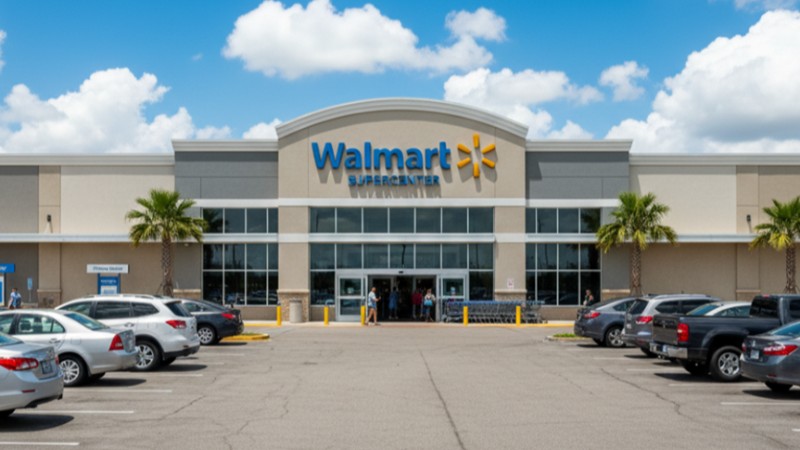
Walmart and Amazon have maintained their positions as the world's largest retailers, according to the latest global ranking released by National Retail Federation.
Walmart retained the No. 1 position, followed by Amazon at No. 2, continuing a pattern of stability at the top of the global retail hierarchy.
European Groups Strengthen Presence in Top Five
Two Germany-based retailers — Schwarz Group and Aldi — ranked third and fourth respectively, highlighting the continued strength of European discount retail models.
Costco completed the top five, reflecting the resilience of membership-based retail formats.
Ranking Reflects International Retail Scale
The ranking, compiled by Kantar, evaluates retailers based on their retail revenues and international operations.
To qualify, companies must operate with direct investments in at least three countries.
The methodology places greater weight on:
• International retail revenue
• Direct selling presence across markets
This approach favours retailers with global scale rather than those focused primarily on domestic markets.
Market Conditions Shape Retail Performance
The latest ranking reflects a period of increasing volatility in global retail.
According to Kantar, factors influencing performance include:
• Shifts in U.S. trade policy
• Fluctuating tariffs across product categories
• Changes in commodity costs and supply chains
These pressures have required retailers to adjust strategies quickly across sourcing, pricing and distribution.
Diverse Retail Models Represented in Top 25
The broader top 25 list includes a mix of retail formats and geographies, such as:
• Carrefour and Ahold Delhaize in grocery
• IKEA in home retail
• Inditex and H&M in apparel
• Alibaba in digital commerce
The list highlights the continued coexistence of physical retail, e-commerce and hybrid models at the global level.
Global Retail Structure Remains Highly Concentrated
Despite shifts in the broader market, the top of the ranking remains dominated by a small number of large-scale operators.
Retailers with:
• Strong international footprints
• Diversified business models
• Advanced supply chain capabilities
continue to maintain competitive advantages in a changing environment.
What the Ranking Signals for the Industry
The 2026 ranking suggests that scale, geographic reach and operational flexibility remain critical factors in global retail leadership.
As market conditions become more complex, retailers are increasingly relying on:
• Cross-border operations
• Supply chain resilience
• Multi-format retail strategies
to sustain growth and competitiveness.
Source: Reported by Chain Store Age.